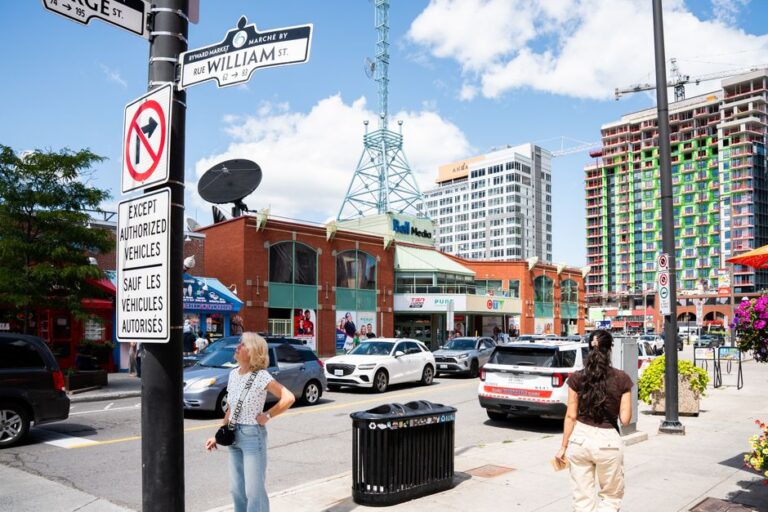


Toronto Rental Market Tightening is now a defining reality for every landlord and investor watching the city’s low- and mid-rise residential sector in 2026. With GTA housing supply dropping rapidly and the approval of new high-rise Toronto rental developments, opportunities—and risks—are changing faster than at any time in recent memory. This report shows you what’s happening, why it matters, and what Toronto property owners need to do to protect their portfolio’s value.
1. Why Toronto Rental Market Tightening Means More Than Just Low Vacancy
For landlords in Toronto, market tightening isn’t only a headline about vacancy rates. July’s sharp plunge in GTA housing supply, as reported by AOLE, signals a deeper shift: fewer options for tenants, heightened competition among renters, and upward pressure on both rents and tenant quality expectations. For multi-unit and low-rise property owners, risk dynamics also change. Late rent, unit turnovers, and tenant disputes can have a dramatic impact when demand outpaces supply. In this environment, regular vacancy is less likely but tenant issues can create longer-term disruption if not handled proactively.

2. GTA Housing Supply Drops Sharply: Practical Impacts for Owners
The GTA housing supply drop referenced in July’s report is significant for Toronto landlords. Recent data shows a sharp reduction in new listings across the region. Owners of low- and mid-rise residential buildings face a different market environment: units become more valuable, and fill faster. But with more applicants comes the challenge of responsible tenant screening, fair selection, and adherence to the Residential Tenancies Act (RTA). Landlords must ensure they use consistent, legal tenant application processes. Documentation is more important than ever, especially if you field multiple applications per vacancy.
Those unused to processing high applicant volumes may quickly feel overwhelmed—this is the kind of work a property manager takes off your plate, from screening to showing to move-in logistics. Learn more about our tenant placement services.
3. High-Rise Toronto Rental Development: The Game-Changer in 2026?
While listings for sale have dropped, the City of Toronto has begun to approve major new high-rise rental projects—in effect, laying the groundwork for added supply, but mainly in dense vertical formats. A prime example is the city’s recent approval of Elysium Investments’ 36-storey, 422-unit purpose-built rental development at Bayview and Eglinton. According to WRE News, such projects signal a significant trend shift. For traditional low-mid-rise landlords, the implication is that new competition will be concentrated in certain pockets, mostly future-oriented and targeting a tenant profile open to modern amenities and longer leases. These new buildings may not impact current occupancy but will affect market positioning, amenities, and rent-setting strategy for older stock.

4. Rental Operations: What Tightening Means for Risk and Revenue
As Toronto rental market tightening accelerates, landlords must adapt daily operations. More applicant volume means faster lease-up periods, but also higher risk of disputes and errors if screening and move-in processes aren’t meticulous. Fast turnovers can mask issues like incomplete background checks, missed maintenance, or lease paperwork errors. The Residential Tenancies Act requires fair and equitable treatment during tenant selection; always use standardized application forms, document screening steps, and avoid collecting any deposit or charge not expressly allowed by Ontario law.
Operational risk also shifts—one poor tenancy can impact building harmony or yield lost rent for months. Eviction for non-payment or other serious breaches, using forms like the N4 (Non-payment of Rent), L1, or L2 (Application to Evict), must follow strict protocols. Tight supply means finding a replacement tenant quickly is easier, but shortcuts in process often lead to compliance challenges and LTB disputes.
5. Multiplex Strategy: How Supply and High-Rise Approvals Affect Toronto Low-Mid-Rise Landlords
Multiplex and low-mid-rise asset owners hold a unique position. The bulk of GTA housing supply is legacy stock: triplexes, fourplexes, houses converted to multi-unit homes, and small apartment buildings. Unlike future high-rise Toronto rental developments, these buildings attract tenants seeking affordability, location, or more flexible living arrangements. Toronto rental market tightening means higher demand for stabilized multiplexes, driving up both rents and property values—if assets are well-maintained and managed.
However, increased high-rise competition is likely to push some tenants to upgrade for amenities or newer finishes. Landlords who invest in regular maintenance, cosmetic upgrades, and community-building can differentiate their properties even as new supply comes online. Proactive communication and fast issue resolution retain good tenants, while routines like scheduled inspections and preventive maintenance minimize risk.

6. Investment Planning Amid a Market in Flux
For Toronto property investors, the 2026 landscape brings both promise and complexity. The sharp drop in GTA housing supply increases rental income potential and low vacancy, but charting a long-term course means recognizing the impact of new rental developments over the next several years. Purpose-built high-rise projects will take time to reach occupancy, offering a window for current owners to reposition, renovate, or expand their portfolios.
Adding units, legalizing secondary suites, or pursuing multiplex redevelopments can be a winning response—if done by the book and with a clear understanding of zoning, code, and RTA obligations. Investors should closely monitor city planning and new development approvals, such as Elysium’s tower, to anticipate how future competition may shift demand in their area.
| Strategy | Pros | Cons |
|---|---|---|
| Hold & Upgrade | Increased rents, higher tenant retention | Upfront capital required, increased expectations |
| Add Units / Suites | Greater income, economies of scale | Permitting, zoning, legal/regulatory hurdles |
| Acquire New Multiplex | Diversification, market share | Competitive buying environment, cost of entry |
7. Rents and Affordability Pressures: Setting and Adjusting in 2026
With tightening supply, upward rent pressure is likely—yet Ontario’s rent control rules place limits on increases for most existing tenants. Landlords must consult the annual guideline (set by the province) and use the proper paperwork to issue rent increase notices. The N1 form is standard for legal increases, while units occupied after November 2018 may be exempt and should be reviewed carefully. With turnover, market rents are rising but tenants are more attuned to value, amenities, and management quality than ever before. Landlords adjusting rents at turnover must still follow the RTA on lawful advertising, deposit restrictions, and lease transparency.
“The GTA housing market saw a sharp decline in new listings in July, tightening conditions for buyers and renters, and altering the outlook for investment across the region.” — AOLE
8. Compliance, Communication, and Tenant Relations in a Tightening Market
Fast-moving markets increase pressure but also mistakes. A meticulous approach to compliance—especially around entry notices, maintenance timelines, and refurbishment works—protects landlords from common legal trouble. Under the RTA, landlords must provide adequate notice before entry (usually 24 hours, barring emergency), and document all communication. Tenants in scarce market environments have high expectations for service levels and response times.
Managing communications around repairs, upgrades, or changes to building rules can reduce disputes and maximize tenant retention. Proactive updates, clear digital records, and prompt follow-through on maintenance not only meet legal obligations but also keep your asset performing. For those managing several units, using a professional like AVS Hospitality—specializing in multiplex operations—can centralize records, streamline tenant communication, and minimize oversight.
9. Looking Ahead: Will Toronto Rental Market Tightening Persist Through 2026?
The approval of new high-rise Toronto rental developments raises strategic questions about the long-term future of rental operations in the city. Most new supply, like Elysium’s 36-storey tower, will take years to complete, leaving persistent tightness in the low- to mid-rise segment for the foreseeable future. Landlords should prepare for ongoing difficulty in acquiring new assets and rising tenant quality expectations.
Leveraging available market windows—through renovations, repositioning, or optimizing operations—will be vital. Landlords must stay informed about changes in supply, policy, and tenant preferences, adjusting strategy as new buildings come online and city demographics evolve. Connecting with expert property management services gives owners operational flexibility and insight needed to adapt in a shifting landscape.
FAQ: Toronto Rental Market Tightening and Landlord Questions
How does Toronto Rental Market Tightening affect screening and selection?
With more applicants per vacancy, landlords must use fair, consistent, and RTA-compliant selection processes. Document every step, and avoid any prohibited screening questions or fees. Professional tenant placement services can help screen efficiently and legally.
Are existing low-mid-rise multiplexes at risk from new Toronto rental developments?
For now, demand for established multiplexes remains robust, as most new supply will take years to deliver. Owners should focus on maintaining building quality and tenant relations to remain competitive as new, amenity-rich stock comes online.
What landlord risks increase as the GTA housing supply declines?
Competition for units rises, but so do operational risks: compliance errors, rushed turnovers, and missed maintenance can cause legal or reputational issues. Staying organized with documentation and communication is critical.
How quickly will Toronto’s new high-rise projects affect market supply?
Major rental developments typically take several years from approval to occupancy. While immediately easing some supply constraints, their largest impacts will be gradual and localized to project areas.
Which Residential Tenancies Act forms are most relevant in a tight market?
Common forms include the N4 (Non-payment of Rent), N1 (Rent Increase), N12/N13 (for landlord or purchaser possession), and L1/L2 for landlord-tenant board applications. Always use the most current version, and confirm proper service procedure.
Conclusion: Adapting to Toronto’s Rental Market Tightening in 2026
Toronto Rental Market Tightening is not just a headline—it’s a new era for every landlord, especially those with low- and mid-rise portfolios. Dropping GTA housing supply and waves of new rental development approvals each present unique opportunities and risks. Toronto landlords can thrive by investing in proactive operations, strict compliance, and a keen understanding of how city trends shape day-to-day rental outcomes. To stay ahead, monitoring market changes and leveraging strong management is paramount—for today and the years ahead.
For ongoing insight and support tailored to Toronto multiplex and rental property owners, explore AVS Hospitality and their specialized property management services.
Own a rental property in the GTA?
AVS Hospitality handles tenant placement, rent collection, maintenance and compliance across the GTA — so you don’t have to.
Prefer to talk? Call (647) 294-5111 or email contact@avshospitality.ca.