


The Ontario Multiplex Market is entering a period of unprecedented momentum in 2026. New industry events and robust data underline a significant shift toward missing-middle housing solutions, drawing the eyes of landlords, investors, and policymakers alike. As Ontario’s housing needs evolve, multiplexes are emerging not merely as a stopgap, but as a proven and versatile answer for supply, balance, and long-term rental resilience.
Ontario Multiplex Market: New Momentum in 2026
Ontario’s multiplex sector is seeing fresh waves of attention in 2026, both in terms of policy action and real-world investment. With leading industry players and platforms—like Alliance REIT—shining a spotlight on multiplex operations at events such as Unpacking Multiplexes Toronto, the message to landlords is clear: multiplexes are at the centre of the province’s missing-middle housing strategy.
This growing focus is about more than boosting supply; it’s about building rental options that work for families and address affordability gaps. Industry voices and conference presenters are putting an emphasis on practical, scalable solutions—making 2026 a pivotal year for savvy Ontario owners to rethink their property management and investment tactics.
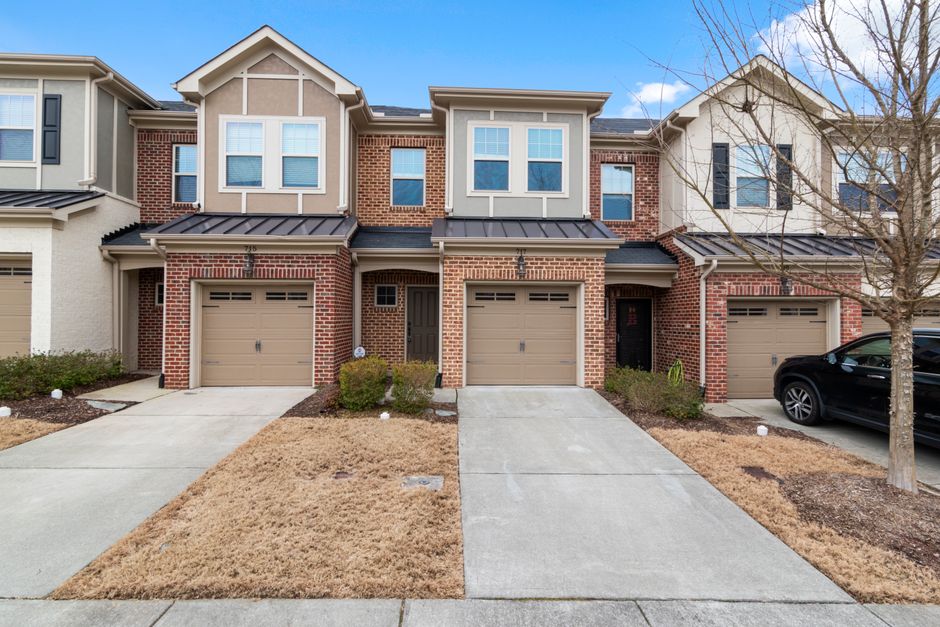
Key Industry Insights Driving the Ontario Multiplex Market
This year, industry leadership and data are converging around a set of common themes. Multiplexes—generally defined as properties with two to four rental units—provide an attractive mix of income diversification and rental stability, especially as demand for larger, more flexible units rises across GTA cities. Alliance REIT’s participation in Unpacking Multiplexes Toronto signals recognition from institutional players that the missing-middle housing Ontario needs is a foundation for sustainable growth, not a fringe solution.
Landlords attending or following these industry events gain actionable insights into zoning, upzoning, design innovations, and operating models. These opportunities support more accessible, neighborhood-friendly intensification—critical for bridging the gap between towers and detached houses, and for keeping rental supply competitive.
TRREB 2026 Rental Market Data: Multiplexes in High Demand
According to the latest TRREB Q2 2026 rental report, demand for GTA rentals remains strong, with a distinct surge in interest for mid-size and multiplex properties. This is no coincidence—the market is responding to demographic shifts, affordability needs, and tenant preferences for multi‑bedroom layouts.
TRREB’s Q2 2026 report shows increasing demand for rental units throughout the Greater Toronto Area, with particular pressure on mid-size purpose-built and multiplex housing.
The practical upshot for Ontario landlords is clear: investing in or improving multiplexes is no longer just a defensive maneuver, but a forward-looking growth strategy. Savvy owners are leveraging these trends by modernizing units, maximizing layouts, and professionalizing operations.

How Missing-Middle Housing Ontario Is Evolving in 2026
Missing-middle housing Ontario initiatives are front-and-centre in this year’s market narrative. In policy circles and industry forums alike, multiplexes are championed as a critical means to deliver more rental options without overwhelming neighbourhood character. Landlords and property owners stand to benefit from a more predictable approval environment as municipalities respond to provincial calls for gentle intensification.
Many GTA cities are refining zoning rules and permitting processes to make it easier to legalize, renovate, or build multiplexes within established areas. For current owners, this means new paths to add value—through additional suites, smart renovations, or redevelopment. For prospective investors, it opens up entire submarkets that were previously overlooked or restricted.
The Changing Face of GTA Rental Housing Trends
The GTA rental housing trends of 2026 highlight major shifts in demand, supply, and landlord opportunity. Renter households are getting older, and average family size is increasing, putting sustained pressure on larger units with flexible layouts. Multiplexes naturally fit this bill, offering more rooms and private outdoor spaces than most apartment buildings, while still providing the cost-efficiency of shared infrastructure.
Landlords should note that tenant expectations are higher in 2026. With rising competition, tenants are prioritizing updated finishes, energy efficiency, and responsive management. Owners able to deliver this level of quality put themselves in a strong position to attract and retain reliable renters, reducing vacancy and turnover costs.

7 Powerful Signals Ontario Multiplex Landlords Must Watch
With momentum building across policy, data, and market signals, here are seven critical trends Ontario multiplex landlords should follow in 2026:
| Trend | Implication for Landlords |
|---|---|
| 1. Industry events spotlighting multiplex expertise | More resources for best practices and networking |
| 2. Data showing surging tenant demand for multiplex rentals | Increased potential for higher, more stable rents |
| 3. Easing of municipal zoning and permitting | Lower barriers to legalizing or expanding units |
| 4. Tenant demand for modern, energy-efficient units | Renovations drive both value and tenant retention |
| 5. Ongoing Rental Housing Policy focus on missing-middle | Municipalities may become more supportive of multiplex investments |
| 6. Investor interest from institutional and REIT players | Potential for stronger exit values and new partnerships |
| 7. Technology adoption in property management | Leveraging building automation to cut costs and improve service |
This convergence presents an inflection point. Landlords who act on these signals—whether by optimizing rent collection, streamlining tenant communication, or planning compliant renovations—position themselves to outperform in a competitive landscape. Some of these operations, such as ongoing maintenance or regulatory paperwork, are the kind of work a property management company like AVS Hospitality takes off your plate, allowing you to focus on growth.
Property Management Implications for Ontario Multiplex Owners
Professional property management is fast becoming the differentiator in the Ontario Multiplex Market. As more multiplex properties change hands or undergo retrofits, compliance with the Residential Tenancies Act (RTA) and Landlord and Tenant Board (LTB) requirements remains crucial. In 2026, documentation—from leases to LTB forms (such as N4 for arrears or N13 for major renovations)—must be airtight to reduce risk.
Landlords should clarify all lease terms, keep meticulous records of all communications, and document maintenance requests. With more tenants per property, expectations around response times and repairs rise as well. Proactive coordination can mean the difference between a routine repair and an expensive turnover. Detailed digital maintenance logs and prompt communication help landlords fulfil both legal duties and renter expectations, reducing LTB disputes and vacancy risk. For those looking to streamline their operation, exploring management services may add valuable peace of mind.
Risk Management, Compliance, and Tenant Relations in a Dynamic Multiplex Sector
As the multiplex market matures, risk management strategies take on new complexity. Owners should adopt clear, written policies on issues like noise, shared spaces, and pets. Periodic inspections—done in accordance with advance notice requirements under the RTA—help maintain building standards and encourage tenant accountability.
Rent collection processes should be consistent and documented. In cases of late payment, prompt delivery of an N4 notice (and subsequent L1 application if necessary) ensures landlords maintain their rights. Working with a reliable property manager can simplify LTB paperwork, resolve disputes, and keep communication professional, minimizing the risk of costly delays or errors.
The Future of Ontario Multiplex Market: Investment and Operations Outlook
With multiplexes increasingly recognized as a lynchpin in Ontario’s rental supply, investors and hands-on landlords have reason to be optimistic, yet thoughtful. Watch for further municipal action to clarify zoning, greater willingness to facilitate missing-middle infill, and growing industry consensus on building and operating best practices. Integrating tech—whether for rent payment portals, energy management, or tenant support—will become the standard rather than the exception in 2026 and beyond.
Owners should remain vigilant on compliance, attuned to shifting tenant needs, and proactive in property improvement. Investors considering acquisitions or redevelopment should carefully review municipal incentives, retrofit grant programs, and upcoming policy shifts to maximize returns and mitigate risk. Reviewing resources provided by organizations like AVS Hospitality and seeking local expertise on property management services can help unlock sustained value in a competitive marketplace.
FAQ: Ontario Multiplex Market, Compliance, and Operations
What makes multiplexes essential in the 2026 Ontario rental housing strategy?
Multiplexes bridge the housing gap between high-rise apartments and single-family homes, supporting missing-middle housing Ontario policies. They offer more unit diversity and adapt to tenant demand for larger spaces and affordability.
Are there special compliance risks Ontario landlords face with multiplexes?
Yes. Multiplexes must comply fully with the Residential Tenancies Act, including maintenance, notice periods, and LTB paperwork. Owners face added complexity in coordinating repairs and tenant requests, so detailed documentation is crucial.
How do recent data and industry events impact investment returns on multiplexes?
Increased demand and institutional interest typically boost rental rates and long-term values for multiplexes. However, returns also depend on location, property upgrades, and ongoing compliance with Ontario rules.
Which upgrades or renovations are most valuable for today’s multiplex market?
Energy-efficient building systems, updated kitchens and bathrooms, and compliance upgrades (such as fire separation and soundproofing) create immediate value and reduce vacancy risk. Legalizing additional units can also unlock new revenue streams.
Should landlords handle multiplex operations alone, or work with property managers?
Larger multiplexes often benefit from professional management—especially for maintenance, tenant screening, and LTB compliance. Owners should weigh the costs and benefits based on their time, expertise, and portfolio size.
Conclusion: Turning Ontario Multiplex Market Momentum Into Lasting Value
Ontario’s multiplex market is on the rise, with clear signals from policy, data, and industry events all pointing to sustained opportunity and demand in 2026. For landlords and investors, staying ahead means not just following headline trends, but building proactive systems for compliance, tenant relations, and ongoing improvement. With the right strategy and resources, the renewed focus on missing-middle housing in Ontario offers a foundation for both stable income and long-term portfolio growth.
Own a rental property in the GTA?
AVS Hospitality handles tenant placement, rent collection, maintenance and compliance across the GTA — so you don’t have to.
Prefer to talk? Call (647) 294-5111 or email contact@avshospitality.ca.