

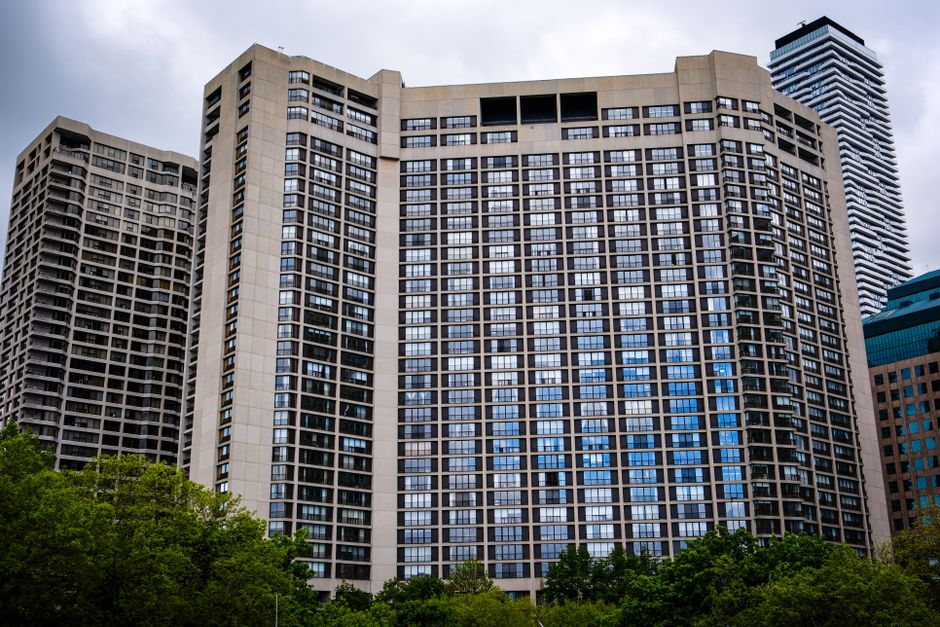
Multiplex housing Ontario is at the centre of an urgent conversation about how to deliver more affordable, practical homes at scale in 2026. As policymakers focus on the “missing middle” and industry leaders like TRREB and OREA call for streamlined ownership models, Ontario landlords—especially those eyeing multiplex investments—are seeing new opportunities and potential challenges emerge. Whether you’re operating a duplex, triplex, or up to six units under one roof, understanding the changing terrain is crucial for stable, risk-managed returns and long-term success.
Why Multiplex Housing Ontario Is Front and Centre in 2026
The call for more multiplex housing Ontario solutions is growing louder, driven by affordability pressures and the “missing middle housing Ontario” gap. Single-family homes remain out of reach for many, while high-rise condos don’t fit every lifestyle. Multiplexes—small apartment buildings with two to six units—offer an ideal compromise: more attainable, neighbourly, and lower density than towers, but far more efficient than sprawling detached neighbourhoods.
In 2026, TRREB and OREA’s push for a streamlined, condo-style ownership model is making headlines. The goal is to reduce legal and regulatory friction for small-scale multiplexes, potentially unlocking a powerful new wave of supply and investor engagement. But with opportunity comes risk: understanding new frameworks, managing tenants across more units, and ensuring compliance with the Residential Tenancies Act (RTA) remain challenging for individual landlords and investors.

TRREB and OREA’s Advocacy: A New Ownership Model for Multiplexes
In May 2026, TRREB and OREA publicly urged the Ontario government to introduce a simplified condo-style framework for multiplexes with up to six units. Why does this matter for landlords?
Currently, owning and managing multiple units in a single small building often forces property owners into cumbersome joint ownership or rental building setups. These can complicate financing, resale, and risk allocation, and can dissuade new investors or homeowners from entering the multiplex segment. TRREB’s proposal aims to let small multiplex buildings operate more like condos—streamlining rules and paperwork while offering clear division of ownership and responsibility.
For multiplex landlords, this could lower barriers to both entry and exit, expand your pool of future buyers, and possibly reduce ongoing disputes over repairs, reserve funds, or unit rights. However, new frameworks are likely to introduce changes to documentation requirements, compliance checks, and legal processes. Landlords should stay alert for updates and document any unit or building changes carefully in anticipation of evolving requirements. When in doubt, consult with real estate professionals or legal advisors familiar with multiplex transitions.
How a Streamlined Ownership Model Could Impact Missing Middle Housing Ontario
The missing middle housing Ontario challenge isn’t just about adding more units—it’s about enabling practical, livable, and financially accessible options that work for both tenants and owners. TRREB’s streamlined ownership model for multiplexes lands at the core of this debate.
Allowing a two-to-six-unit building to be divided under a simplified condo-style plan can support more creative investments: for example, families could share a multiplex, or investors could combine efforts with less joint-liability hassle. It could also improve financing options for buyers who want to own just one or two units, as lenders may treat each unit as a distinct condo rather than requiring a commercial or multi-family loan structure.
For landlords, this flexibility can mean an easier path to sell part of your holding, bring in new partners, or upgrade only some units at a time. Keep in mind, however, that multiplexes under such frameworks will still be governed by the RTA for residential tenancies, so all standard rules about leases, rent, and tenant rights continue to apply—an ongoing reason to document agreements and consult experts before undertaking ownership model changes.

Affordability: Current Multiplex Pricing and Demand Trends
What does the latest market data tell us about the affordability and attractiveness of multiplex housing in Ontario in 2026? According to HOMEH’s July 2026 housing market report, the median price for a multiplex across Ontario stands at $577,000, with properties sitting on the market for an average of 39 days. For comparison, single-family home prices are much higher in most markets, and condos come with condominium fee obligations that don’t appeal to all buyers or landlords.
HOMEH’s data reveal: “the median Ontario multiplex price is $577,000 with an average of 39 days on market, indicating robust affordability.”
This signals a vital window for landlords and investors interested in the missing-middle segment. Lower entry points and solid demand can support both buy-and-hold and value-add strategies—but as this segment heats up, expect increased scrutiny on documentation, fire code compliance, and proactive maintenance as essential to competitive advantage.
Managing Multiplex Rentals: New Complexities, Operational Essentials
Owning and operating a multiplex means handling more tenants, layered maintenance responsibilities, and ensuring every unit complies with Ontario’s rental laws. As new ownership models emerge, proactive property management becomes even more critical.
Key operational considerations include:
- Screening tenants for every unit, tracking separate leases and deposit details.
- Coordinating repairs, cleaning, and routine maintenance across shared and private areas.
- Tracking rent payments, arrears, and—if necessary—issuing LTB forms such as N4 or L1 when dealing with non-payment.
- Ensuring compliance with municipal fire codes, zoning bylaws, and building standards—which may change for multiplexes under new frameworks.
- Communicating regularly with all tenants to avoid disputes, clarify responsibilities, and build trust.
This is the kind of work a property manager takes off your plate, from tenant placement to rent collection and maintenance calls. See how AVS Hospitality can streamline multiplex management for Ontario landlords.
Risk Management for Ontario Multiplex Landlords
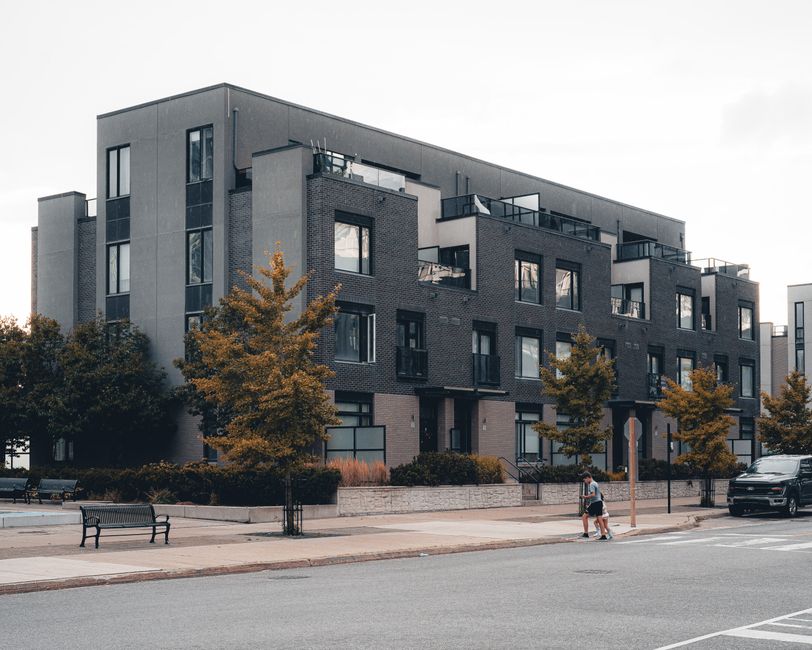
Multiplex investments often offer better risk diversification—vacancy in one unit doesn’t zero out your entire income—but come with several unique challenges. As the ownership model multiplex debate moves ahead, Ontario landlords should be mindful of:
- Shared system failures (HVAC, roofing, fire alarms): one breakdown can affect multiple tenants and increase urgency of repairs.
- Disputes between tenants, particularly regarding noise or shared space use—clear house rules and prompt communication are essential.
- Ensuring insurance coverage is updated to reflect the correct structure and occupancy. Ownership model changes can affect underwriting; always notify your insurer of material changes.
- Documenting every repair, communication, or complaint to ensure you’re protected if a dispute ever reaches the LTB.
Landlords should also stay alert for regulatory updates: phased-in changes to condo-style models may introduce new reserve fund or reporting requirements. It’s wise to document property condition and finances with extra care as frameworks evolve.
Operations and Maintenance Under New Multiplex Ownership Models
If Ontario introduces streamlined, condo-style ownership for multiplexes, property operations will change in some important ways. For example, separate owners in a multiplex may jointly fund major system repairs (roofing, boilers, fire safety) via reserve funds, much as full-scale condominiums do. At the same time, interior maintenance for units may become each owner’s responsibility.
Internal communication will also become more complex as owner-landlords may be managing some units directly while others are self-occupied. Setting clear protocols for access, emergency procedures, and shared expense documentation will be key. Landlords should confirm RTA obligations apply equally to all rental units, regardless of unit ownership, and should use clear, comprehensive leases to allocate responsibilities.
Coordination around scheduled repairs, renovations, and upgrades will require more planning—and good relationships with service providers. AVS Hospitality’s specialty in multiplex operations can be a game-changer for busy owners navigating these waters.
Investing in Multiplex Housing Ontario: 2026 Strategies for Success
For landlords evaluating multiplex acquisitions or repositioning, 2026 presents unique factors to balance:
- Exit strategy flexibility: A streamlined ownership model can improve resale options and attract new buyers for partial interests.
- Financing options: Borrowing may become more straightforward as lenders gain confidence in new legal frameworks and clearer unit boundaries.
- Upside potential: Value-added renovations, energy upgrades, and improved curb appeal remain strong levers—as long as work is well-documented and conforms to landlord-tenant rules and municipal codes.
- Administrative demands: More units mean more leases, more compliance, and potentially more landlord-tenant board paperwork, especially during tenant turnovers. Being organized is essential.
Don’t overlook long-term compliance: major renovations or tenant transitions may trigger LTB forms such as N12 (owner’s use) or N13 (demolition or conversion), even in buildings with shifting ownership. Landlords should always confirm requirements and document every step before notices are served.
| Strategy | Benefit | Consideration |
|---|---|---|
| Streamlined Condo-Style Ownership | Easier resale, improved financing | May bring new compliance/condo corp. rules |
| Buy-and-Hold Multiplex | Ongoing income, risk diversification | Requires strong property management |
| Value-Add Renovation | Higher rents, property value | Must meet code, RTA, LTB rules |
Implications for Landlord-Tenant Relations and Compliance
No matter which ownership model is adopted, Ontario landlords must continue to observe the RTA and applicable municipal bylaws. For landlords who want to shift part of their multiplex to a condo-style regime, every rental agreement must be crystal clear about maintenance responsibilities, shared space rules, and rent payment channels. Open lines of communication can resolve most disputes before they escalate; proactive documentation is your best defence at the LTB if conflicts arise.
Consider using checklists and digital logs for all tenant requests and service issues, and ensure timely maintenance to meet statutory obligations. Landlords should note that under most ownership scenarios, rental units cannot be arbitrarily converted to other uses or sold off without following all RTA and LTB processes. Consult legal or property management experts if contemplating a shift from rental-only to mixed-tenure or partial-ownership multiplex models.
FAQ: Multiplex Housing Ontario and the Future of Missing-Middle Ownership
What is the proposed new ownership model for multiplex housing Ontario?
The proposed framework, advocated by TRREB and OREA, would allow buildings with up to six units to divide ownership more like a condo, streamlining documentation and responsibilities. It aims to make multiplex investment and resale simpler for landlords and homeowners. Read the full advocacy summary.
How does multiplex housing support missing middle housing Ontario?
Multiplexes fill a crucial “missing middle” gap, providing affordable, neighbourly housing that is higher density than detached homes but less imposing than towers. They unlock more units in established neighbourhoods while offering attainable ownership and rental options. Ontario’s policy changes are designed to encourage more of these buildings.
Do the Residential Tenancies Act (RTA) and LTB forms apply in new multiplex ownership models?
Yes. Regardless of any condo-style changes, all residential rentals remain subject to the RTA. Notices like N4 (arrears), N12 (owner’s use), or N13 (conversion/demolition) must still be used where appropriate. Landlords should always stay current on rules and document actions for LTB compliance.
What practical steps should landlords take to mitigate risk in multiplex buildings?
Use detailed leases, respond to issues promptly, maintain insurance, document every transaction, and consider professional property management for efficiency and compliance. Multiplex operations become much simpler with specialized experience—see AVS Hospitality for Ontario support.
Conclusion: Seizing the Multiplex Housing Ontario Opportunity
The future of multiplex housing Ontario is bright, but shifting fast. With new ownership model multiplex frameworks likely on the horizon and strong demand for missing middle housing Ontario, landlords must adapt quickly to capture opportunity and control risk. Carefully track regulatory changes, document every lease and repair, and prioritize communication with tenants and co-owners. Whether you manage a building yourself or partner with property management experts, your approach in 2026 can position you at the centre of Ontario’s new housing era.
To explore specialized property management services for multiplexes and more, see property management services or learn more at AVS Hospitality.
For in-depth resources or updates on evolving multiplex legislation, review TRREB’s multiplex roundtable highlights and follow ongoing industry policy coverage.
Own a rental property in the GTA?
AVS Hospitality handles tenant placement, rent collection, maintenance and compliance across the GTA — so you don’t have to.
Prefer to talk? Call (647) 294-5111 or email contact@avshospitality.ca.